
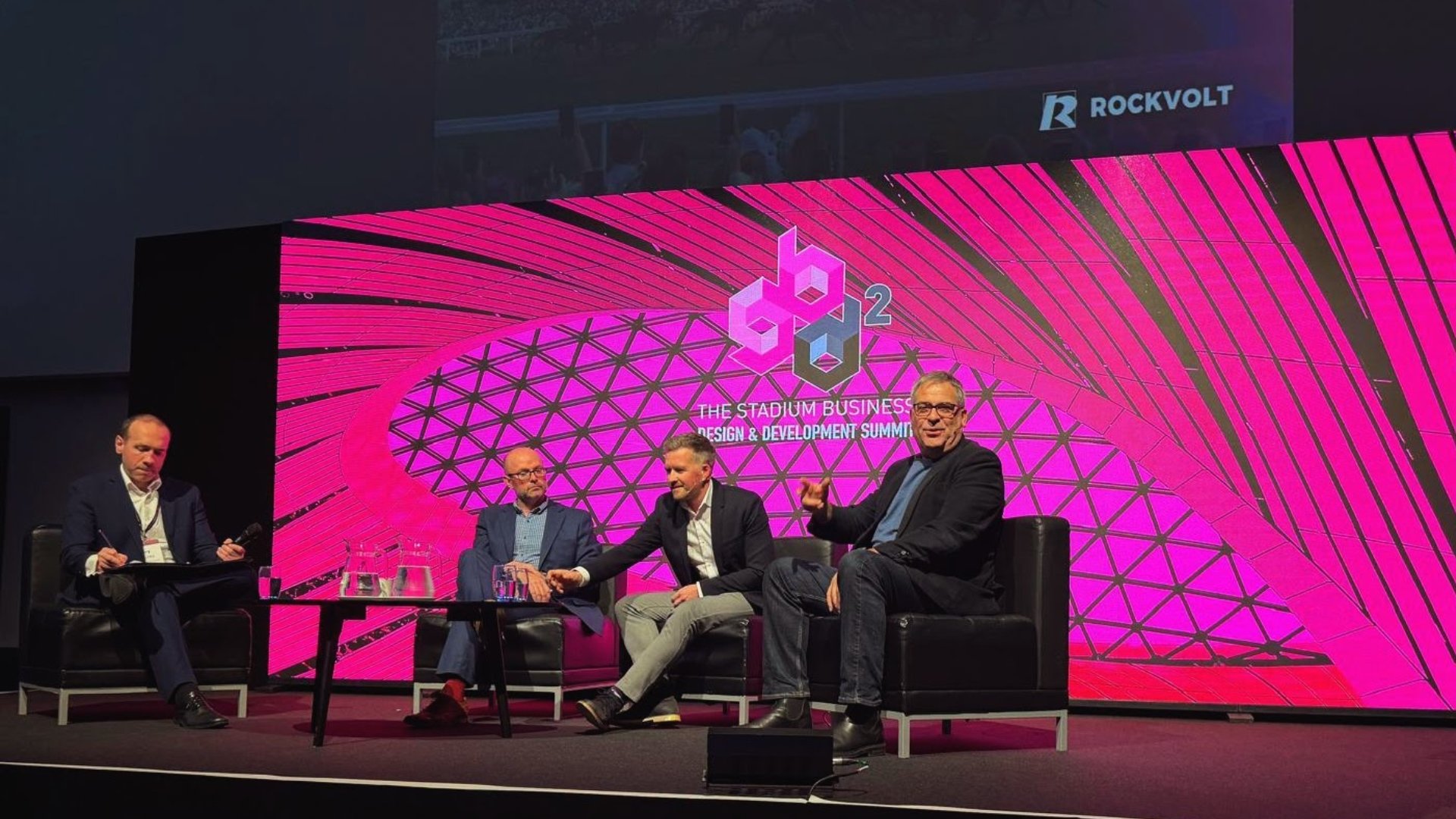
The Stadium Business Design and Development Summit 2025
Another fantastic event hosted by the #TDS25 team
The Stadium Business Design & Development Summit 2025 (#TDS25) brought industry leaders to Emirates Old Trafford to examine how design, construction and long-term operation must align to deliver resilient, commercially successful stadiums.
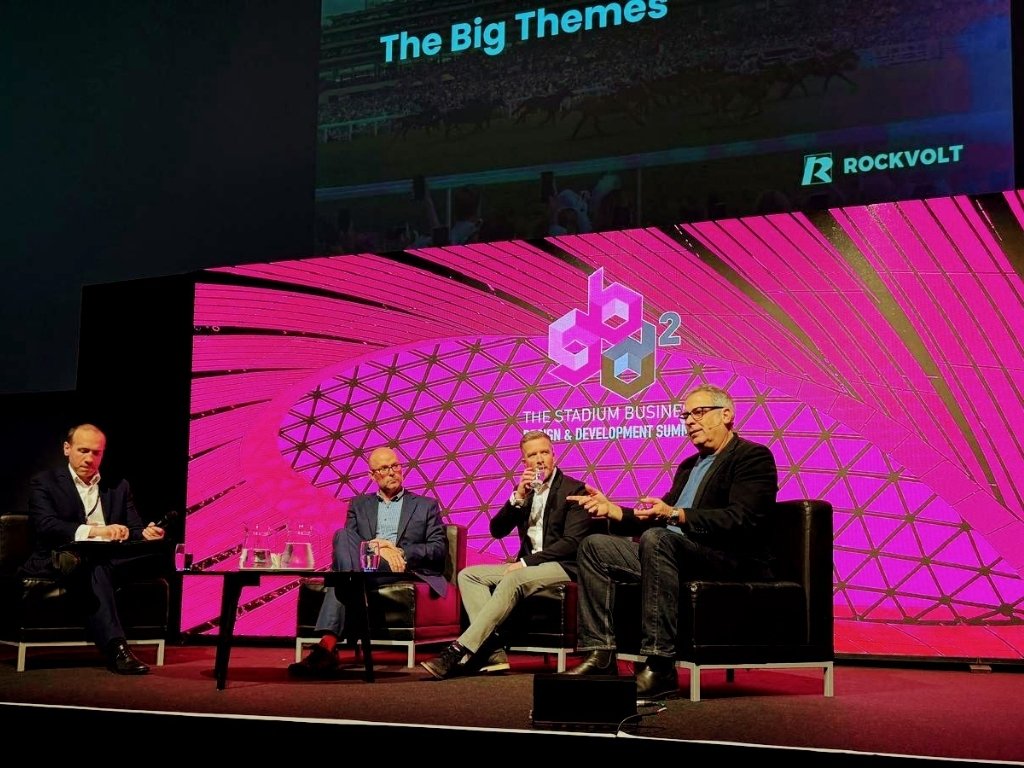
All photos credit: stadiumdesignsummit.com
Stadium Business Design & Development Summit: Key Insights from the Panel Stage
The Stadium Business Design & Development Summit is a leading international forum for professionals involved in the planning, design, delivery and operation of major sports and entertainment venues.
Each year, it brings together stadium owners, operators, designers, engineers, developers and advisors to explore how complex venues can be delivered successfully — balancing ambition with practicality.
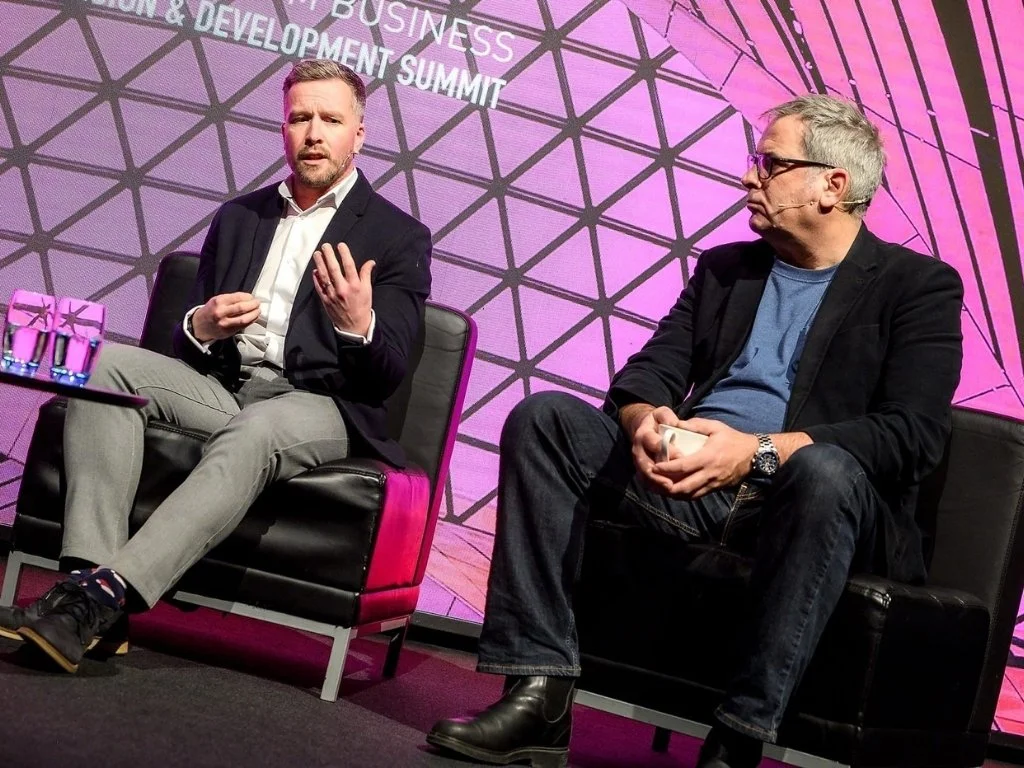
The Summit exists to address the real-world challenges shaping modern stadium development. From managing multiple stakeholders and evolving regulatory demands to responding to climate pressures and ensuring long-term commercial viability, the event provides a platform for open discussion, shared learning and practical insight.
This year’s Summit took place at Emirates Old Trafford, Manchester, offering a fitting setting for conversations focused on the future of stadiums and large-scale venues.
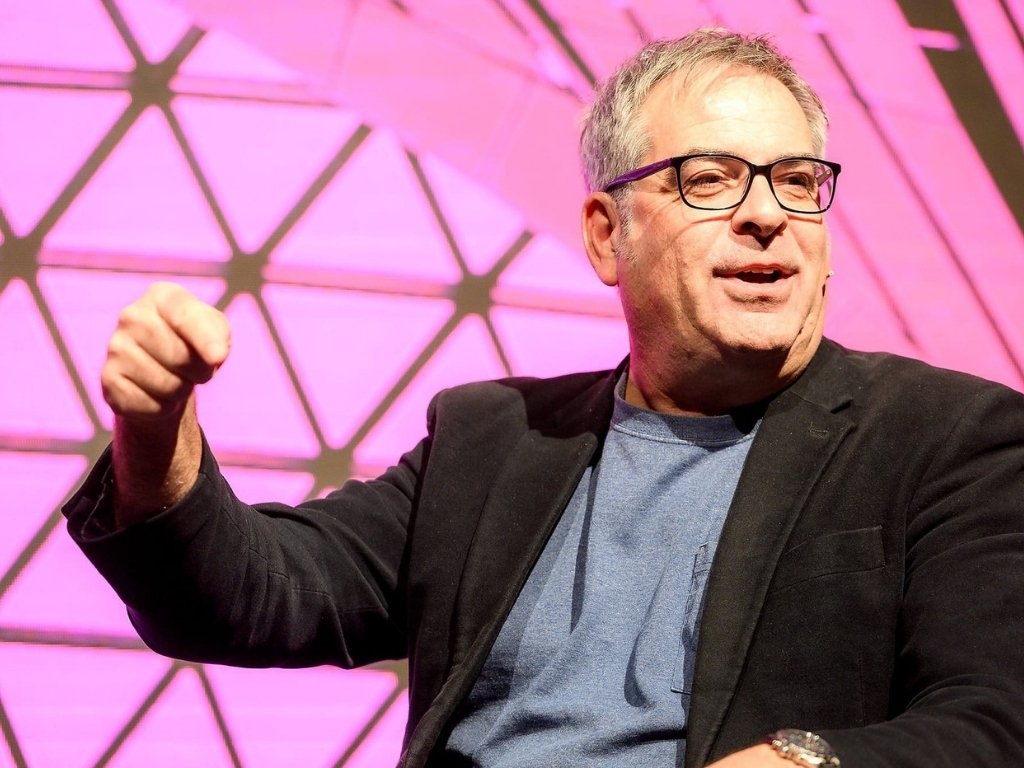
Rockvolt on the Panel
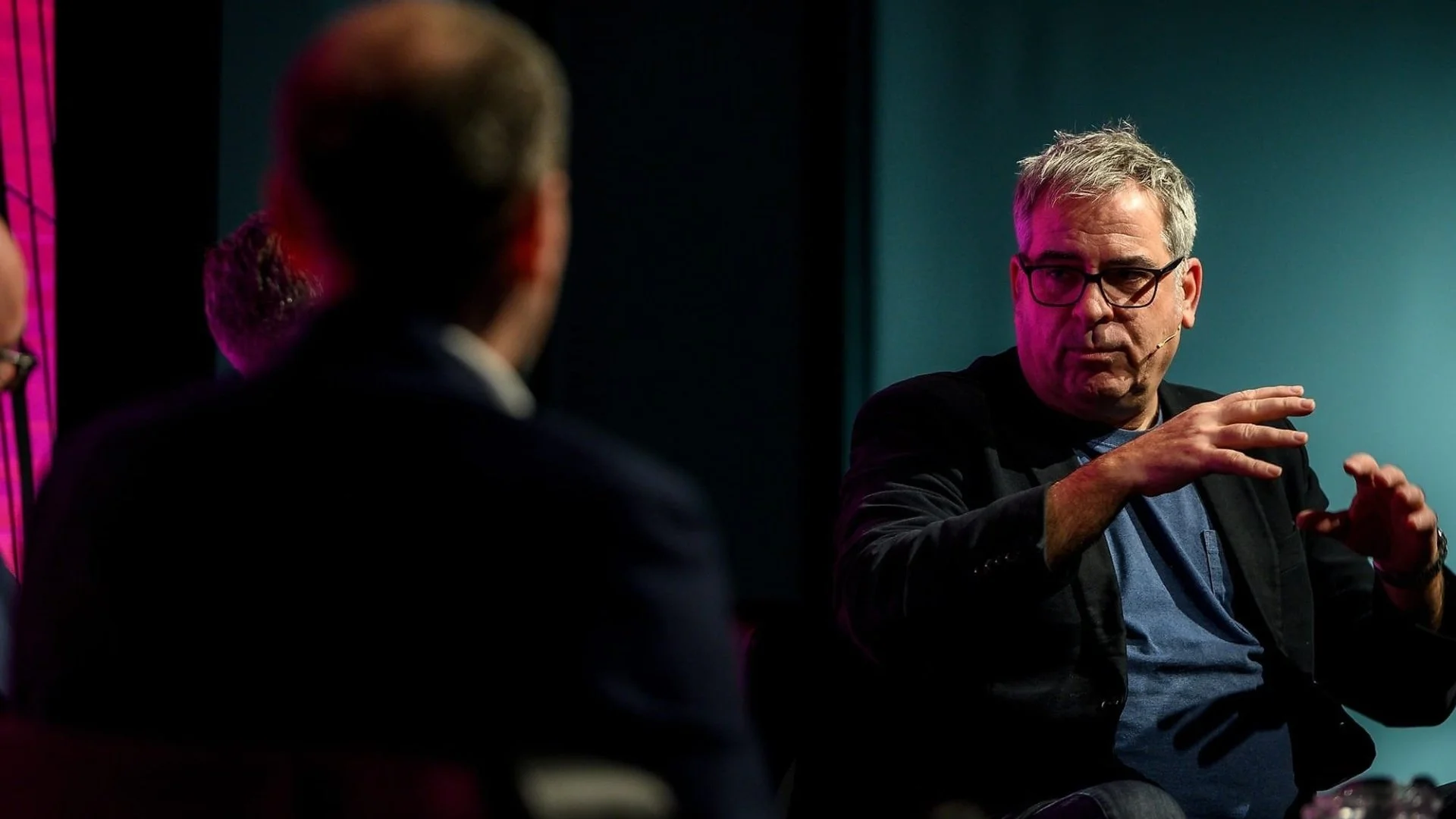
Rockvolt was proud to be represented at the Summit, with Managing Director Peter Watts invited to join the panel session “Keeping on Track: Concepts, Complexity, Timelines & Surprises.”
Peter contributed alongside industry leaders, drawing on experience across the design and delivery of complex stadium and large-scale venue projects. The panel explored how design intent becomes buildable solutions, and how early technical decisions affect cost, programme and performance.
His contribution focused on integrated design thinking, buildability and coordination in keeping projects on track amid evolving requirements, regulatory constraints and stakeholder expectations, framed around three core themes influencing modern stadium design and construction.
ROI Stadium as a Working Asset

Peter highlighted that many stadiums are still designed around a legacy model that prioritises match days above all else — despite these often accounting for only 40–50 days per year. In contrast, the remaining 300+ days represent a significant opportunity for venues to operate as dynamic, multi-use assets.
From a design and build perspective, this shift fundamentally changes how stadiums must be planned. Modern developments need to accommodate conferences, exhibitions, concerts, dining, hospitality and community uses as part of the core brief, influencing structural layouts, servicing strategies, access routes and back-of-house infrastructure from the earliest stages.
By designing with non-matchday use in mind from the outset, stadiums can unlock new revenue streams, improve utilisation and enhance long-term commercial resilience. The discussion reinforced that return on investment is increasingly driven by how effectively a venue functions as a flexible, year-round destination.
Climate Designing for a Harsher Future
Climate resilience is now a fundamental driver of stadium design, rather than a secondary sustainability consideration. Peter discussed how venues must increasingly account for extreme weather conditions, including prolonged heat, intense rainfall and growing pressure on drainage and utility infrastructure.

From a design and construction standpoint, this means moving beyond compliance-based approaches and embedding future climate modelling into decision-making. Shading strategies, ventilation, materials selection, drainage capacity and surface water management all need to be designed for conditions that may be significantly more severe than those experienced today.
The panel explored how failing to anticipate future climate loads can lead to operational disruption, reputational risk and costly remediation. Designing for extremes is therefore about protecting both the physical asset and its long-term viability, ensuring stadiums remain safe, comfortable and operational throughout their design life.
Stakeholders Many Voices, One Project
Stadium projects sit at the intersection of sport, business, politics and community, making stakeholder management one of the most complex aspects of delivery. Peter emphasised that successful outcomes depend on recognising the wide range of voices involved, including fans, athletes, owners, executive teams, promoters, local communities and public authorities.
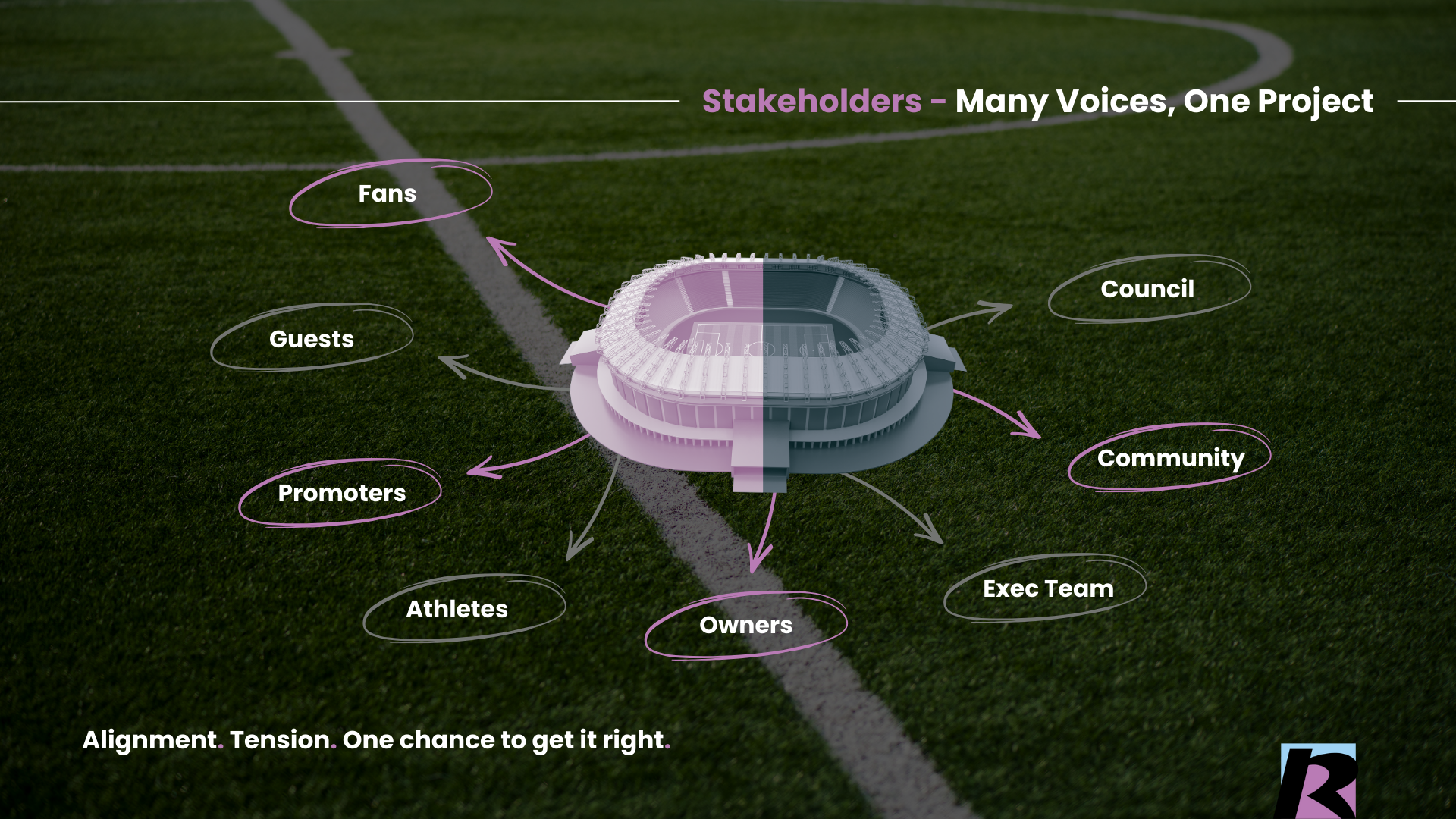
From a design and build perspective, stakeholder priorities directly influence planning strategy, phasing, access, acoustic design, environmental mitigation and construction logistics. Misalignment early in the process can result in redesign, delay and cost escalation later on.
Early engagement, transparent communication and political awareness were highlighted as critical success factors. With stadiums being highly visible, long-term civic assets, there is often only one opportunity to get these relationships right. Projects that invest in stakeholder alignment at the outset are far better placed to progress smoothly through design, planning and construction.
Reflection
“It was great to be part of such an open and practical discussion. The issues we talked about — long-term value, climate resilience and stakeholder alignment — are exactly the challenges shaping stadium development today. Events like this are invaluable for sharing real experiences and helping the industry deliver better, more sustainable venues.” - Peter Watts
Looking Ahead
The Stadium Business Design & Development Summit reinforced that the future of stadium development lies in integrated design, buildability and long-term thinking. As expectations continue to evolve — from climate pressures to commercial demands — the need for informed, coordinated decision-making has never been greater.
At Rockvolt, we are proud to contribute to these industry conversations and to support clients in delivering stadiums that are resilient, adaptable and built for long-term success.