

The Modern Game Isn’t Built for Everyone to Agree
A shift becoming impossible to ignore
As clubs continue to grow beyond the pitch, the balance between performance, identity and commercial reality is being tested like never before.
Owners, managers and fans are now navigating a version of the sport where financial sustainability and competitive ambition are tightly linked, and not always aligned.
One Club, Three Different Expectations
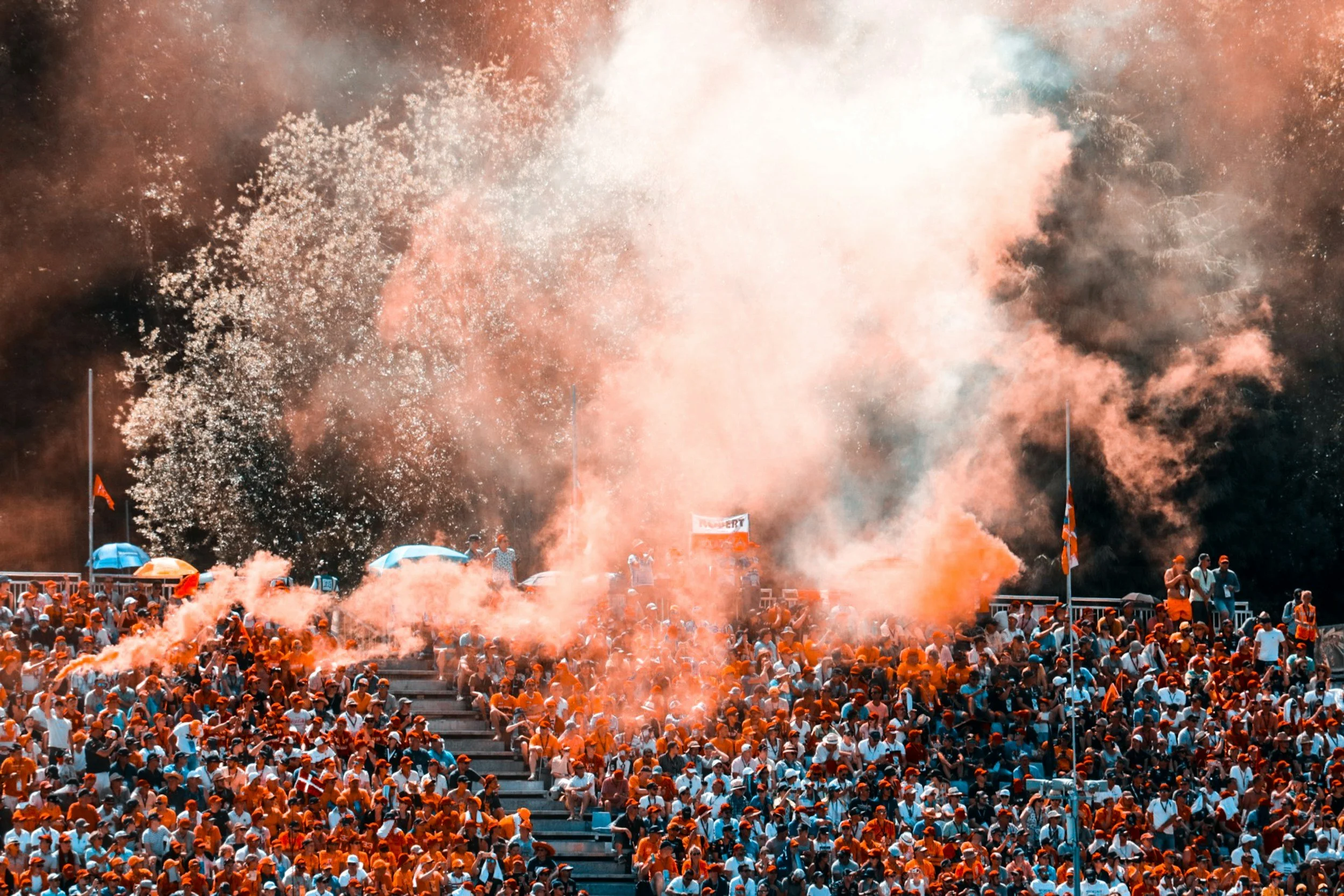
A professional sports club means different things depending on who you ask - and that’s exactly why there’s a problem. For fans, it’s personal. It’s identity, routine, history - something you don’t choose, just end up carrying with you. For managers, it’s about results. Perform, improve, win. Simple, at least on the surface. And for owners, it’s something else entirely - it’s responsibility. Financial, operational, long-term.
Everyone wants the club to succeed. But they’re not working from the same definition of success, and more importantly, they’re not dealing with the same consequences when things go wrong. Fans want to feel progress. Owners have to make sure the club still exists in five or ten years. And in a game that’s changed as much as this one has, those two things don’t always line up anymore.

Three Roles, Three Responsibilities
Fans experience a club in a way no one else does. It’s emotional, long-term, and often tied to family or where you’re from. You invest time, money and energy into something you don’t control, which is why every decision can feel personal - especially the ones that change what the club looks or feels like. But that emotional connection doesn’t come with responsibility for the outcome.
Owners don’t have that luxury. Clubs today are expensive to run at a level that’s hard to fully appreciate from the outside. Wages, transfers, infrastructure - it all keeps rising, and it doesn’t stop. The expectation is to compete, but also to stay financially stable while doing it. If that balance goes wrong, the consequences don’t fall on the fans. Managers sit in the middle, trying to turn all of that into results. They’re judged the quickest, but they’re working within decisions made above them and expectations coming from below.
Everyone cares. But only one group is ultimately responsible for keeping the whole thing standing.
The Bit That’s Changed: Money
This is the part that gets overlooked the most, and it’s the part that explains almost everything. The modern game is expensive. Not just “more expensive than it used to be” - it’s operating on a completely different scale. Player wages alone can exceed what clubs used to generate in total revenue. Transfer fees are inflated, expectations are constant, and the cost of just staying competitive keeps climbing.
Matchday income doesn’t cover it anymore. It hasn’t for a long time. Even with a full stadium every week, the numbers don’t add up. So clubs have to look elsewhere. Broadcasting deals, sponsorships, global markets, commercial partnerships - this is what funds the modern game. Not as an added bonus, but as the foundation.
And this is where the reality hits:
Clubs aren’t becoming more commercial by choice, they’re doing it because the game demands it.
If they don’t, someone else will. And over time, that difference shows up where it matters most.
Why Owners Don’t Really Have an Alternative
This is the part that’s often misunderstood or just ignored.
Fans want ambition. They want investment, big signings, progress they can see. But that level of ambition costs money, and not just once - it has to be sustained. Owners aren’t choosing between “being commercial” and “staying traditional.” That option doesn’t really exist anymore. The choice is between keeping up or falling behind.
If revenue doesn’t grow, spending eventually has to stop. And when spending stops, performance usually drops with it. That’s the cycle.
So when clubs push into global markets, increase prices, focus on non match day revenue generation, or bring in new commercial partners, it’s not always about maximising profit. A lot of the time, it’s about covering costs that didn’t used to exist at this level.
That doesn’t make every decision right. But it does mean most of them are being made with far less flexibility than people think.

Where It Starts to Break Down
This is where the disconnect becomes visible. Fans see ticket prices going up and feel pushed out. Owners see rising costs and try to balance the books. Fans see a lack of signings and question ambition. Owners see financial risk and try to avoid repeating mistakes.
Both sides are reacting logically - but to completely different pressures.
The problem is, fans experience everything in the moment. Owners have to think beyond it. And when there’s no clear view of the bigger picture, it’s easy to assume decisions are being made for the wrong reasons.
That’s where frustration builds. Not always because people disagree, but because they’re not working with the same information - or the same consequences.
The Reality Fans Might Not Want to Hear
The uncomfortable truth is that the version of the game many fans still expect doesn’t really exist anymore. Clubs can’t operate the way they used to. The costs are too high, the competition is too intense, and the margins for getting it wrong are too small. Commercialisation isn’t a shift in priorities - it’s a response to how the entire system now works.
That doesn’t mean fans are wrong to care about identity, access, or tradition. Those things are still what make clubs meaningful in the first place. But it does mean the idea that clubs can compete at the highest level without fully embracing the commercial side of the game isn’t realistic anymore.
And that’s the tension at the heart of it all.
Owners are trying to keep clubs competitive in a system that keeps raising the bar. Fans are trying to hold onto what made the club matter in the first place. Both are valid. But they don’t always fit together as easily as they once did.
The challenge now isn’t choosing one over the other. It’s accepting that the modern game forces both to exist at the same time - and that sometimes, that’s going to feel uncomfortable.