BASIS Sustainable Sport Conference 2026
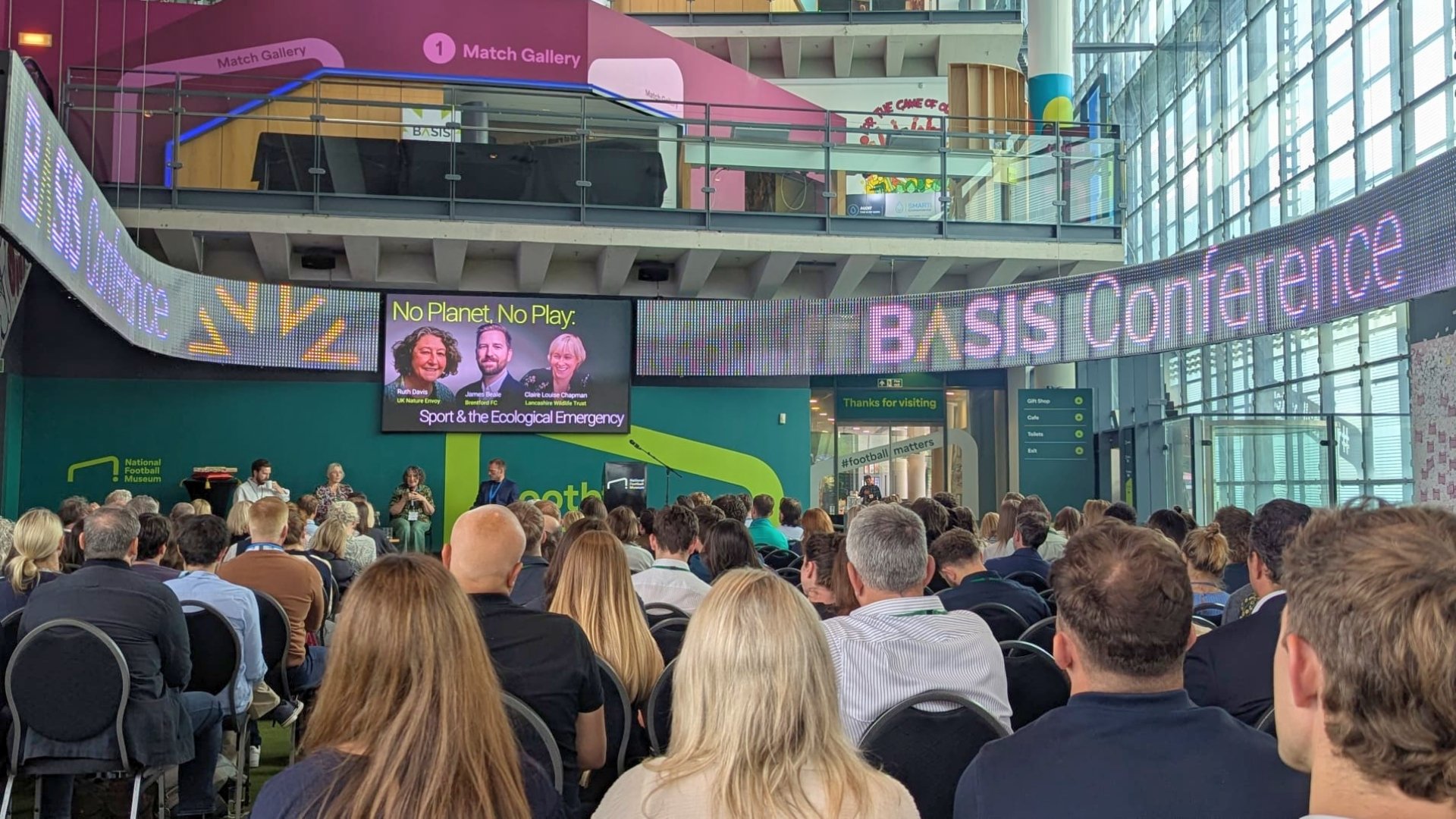
Another thought provoking and inspiring BASIS Conference, hosted at two fabulous venues in Manchester.

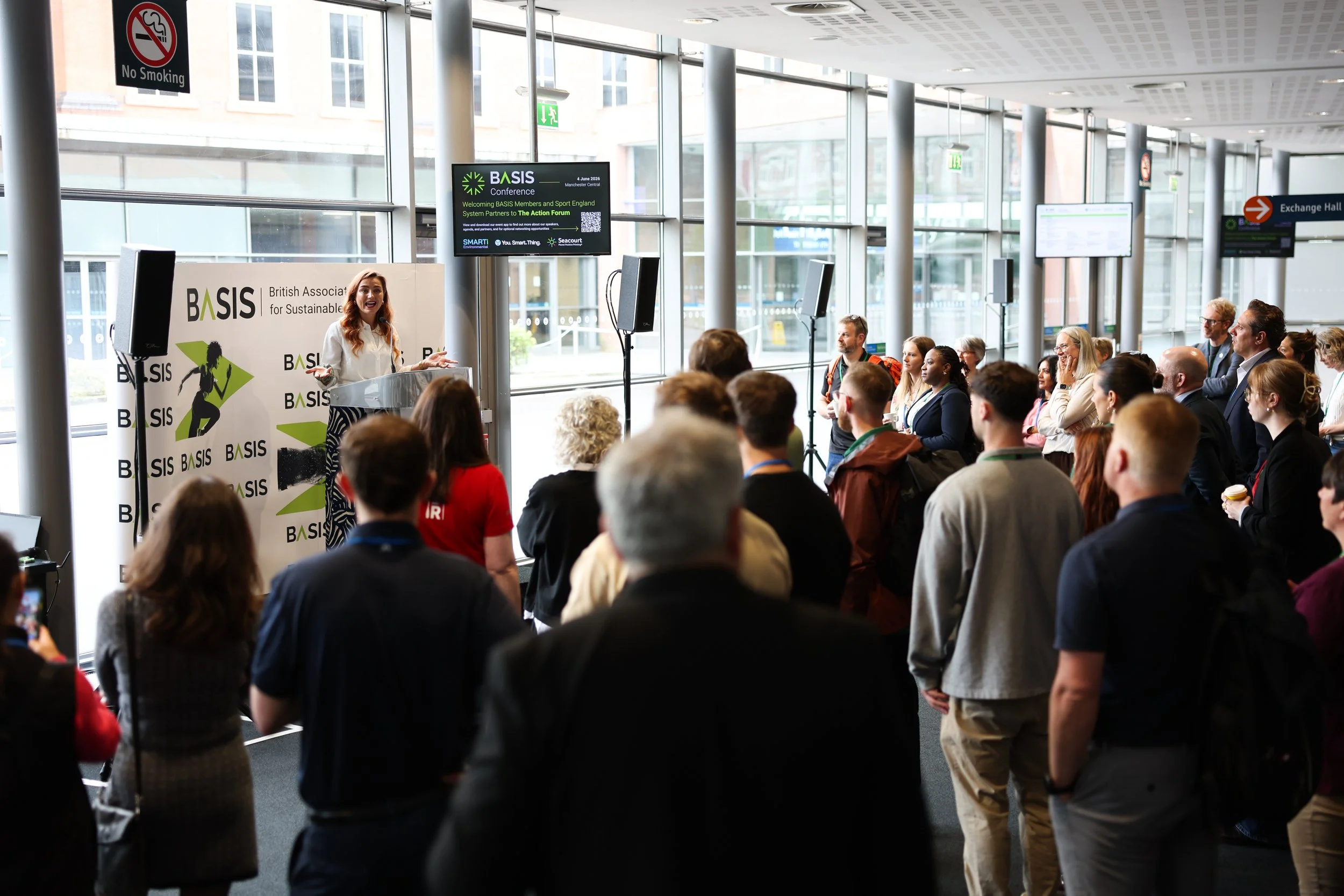
Over 3–4 June 2026, the BASIS Sustainable Sport Conference returned with a bold new format across two iconic Manchester venues. Day one brought together leaders from across sport, government and business at the National Football Museum, while day two moved to the Manchester Central Convention Complex for the Action Forum - a focused collaborative space for members and partners. Guiding the conversations throughout was Jess Silva, broadcaster, presenter and co-founder of Carbon Jacked, who brought energy and insights to the two-day event.
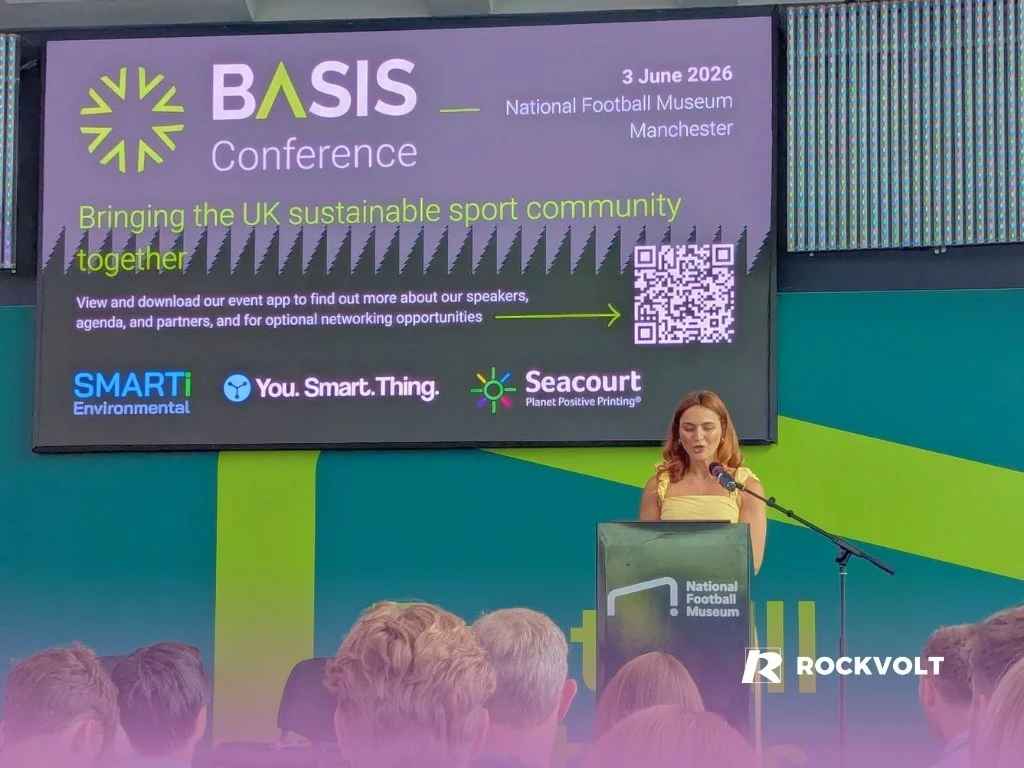
The Stage Was Set
As a sports stadia and venue consultancy, sustainability is woven into almost every conversation Rockvolt has with clients - whether that’s energy infrastructure, climate resilience, or long-term venue strategy. So the BASIS Sustainable Sport Conference has become an event we look forward to, a chance to learn and connect.
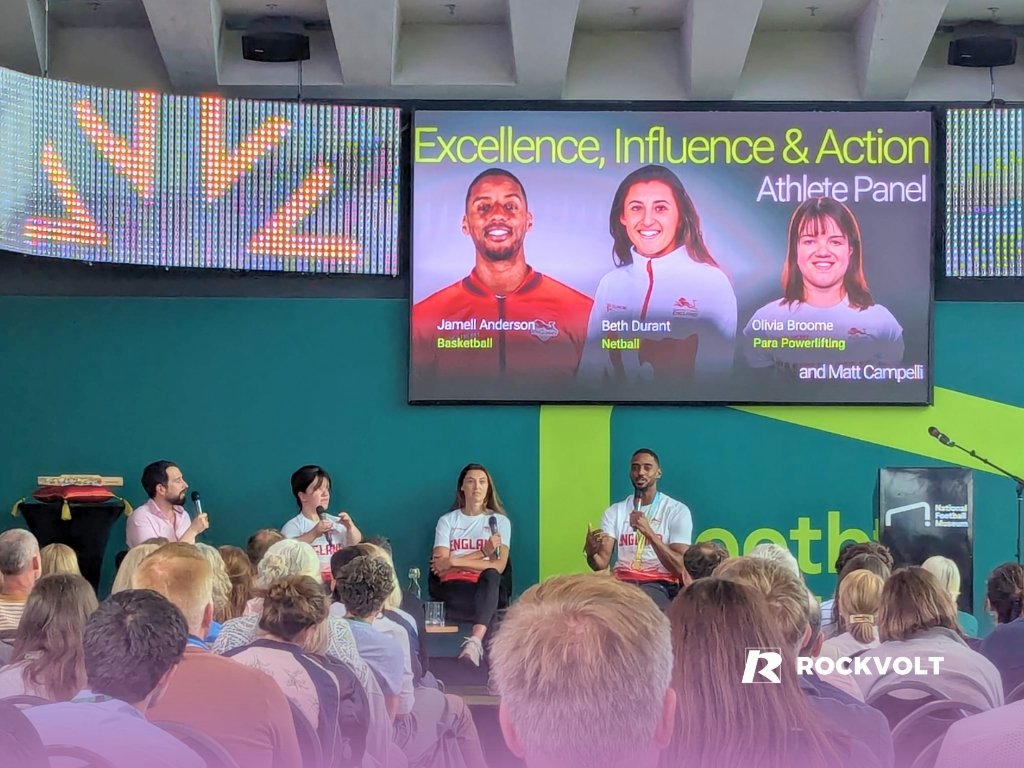
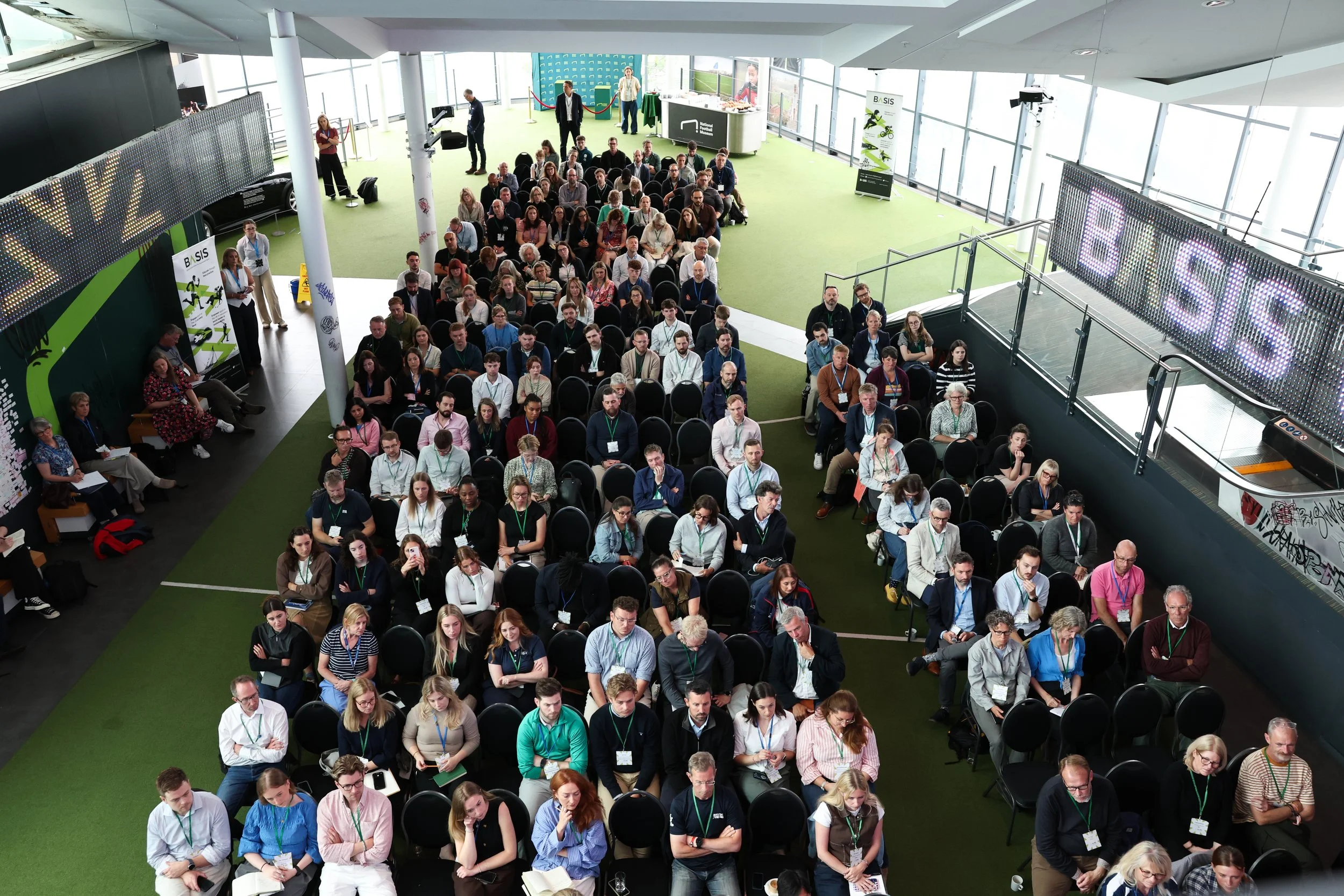
For day one hosted at the National Football Museum, an inspiring setting, packed with the history and emotion of the game, which gave the day’s conversations a heighten sense of purpose. There’s something clarifying about discussing the future of sustainable sport inside a building that reminds you why sport matters so much in the first place. A venue that sums up the power of sport and how it can communicate messages across borders to a wide audience.
The Big Themes on Day One
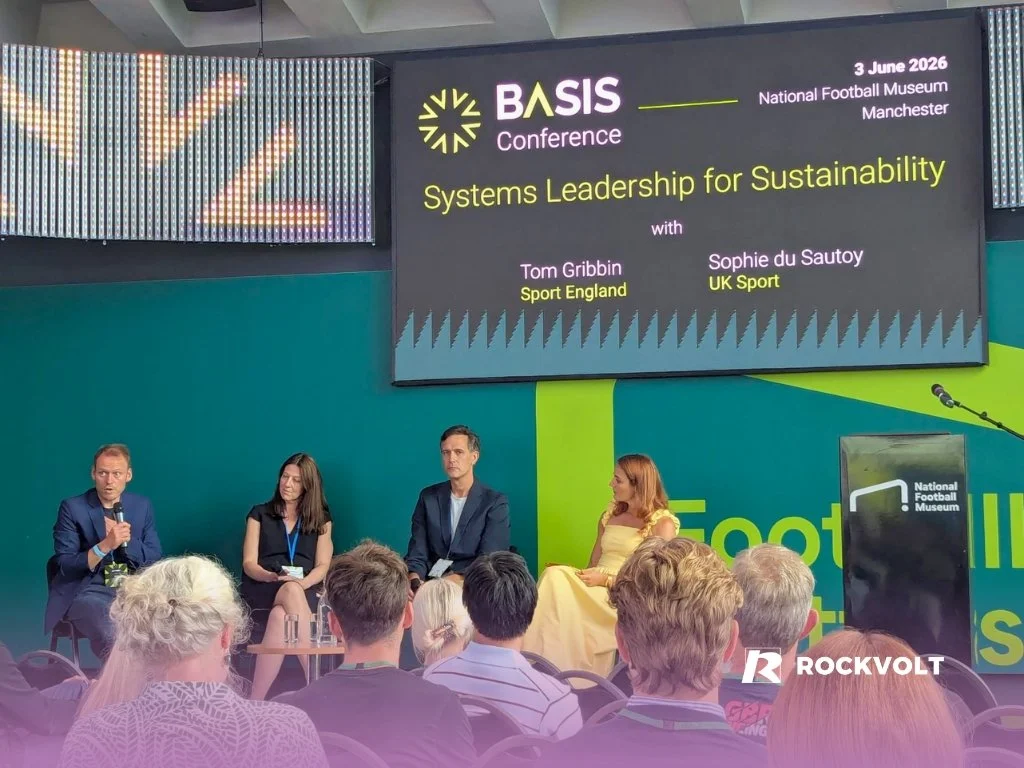
The agenda covered a lot of ground. For Rockvolt, a few themes particularly resonated.
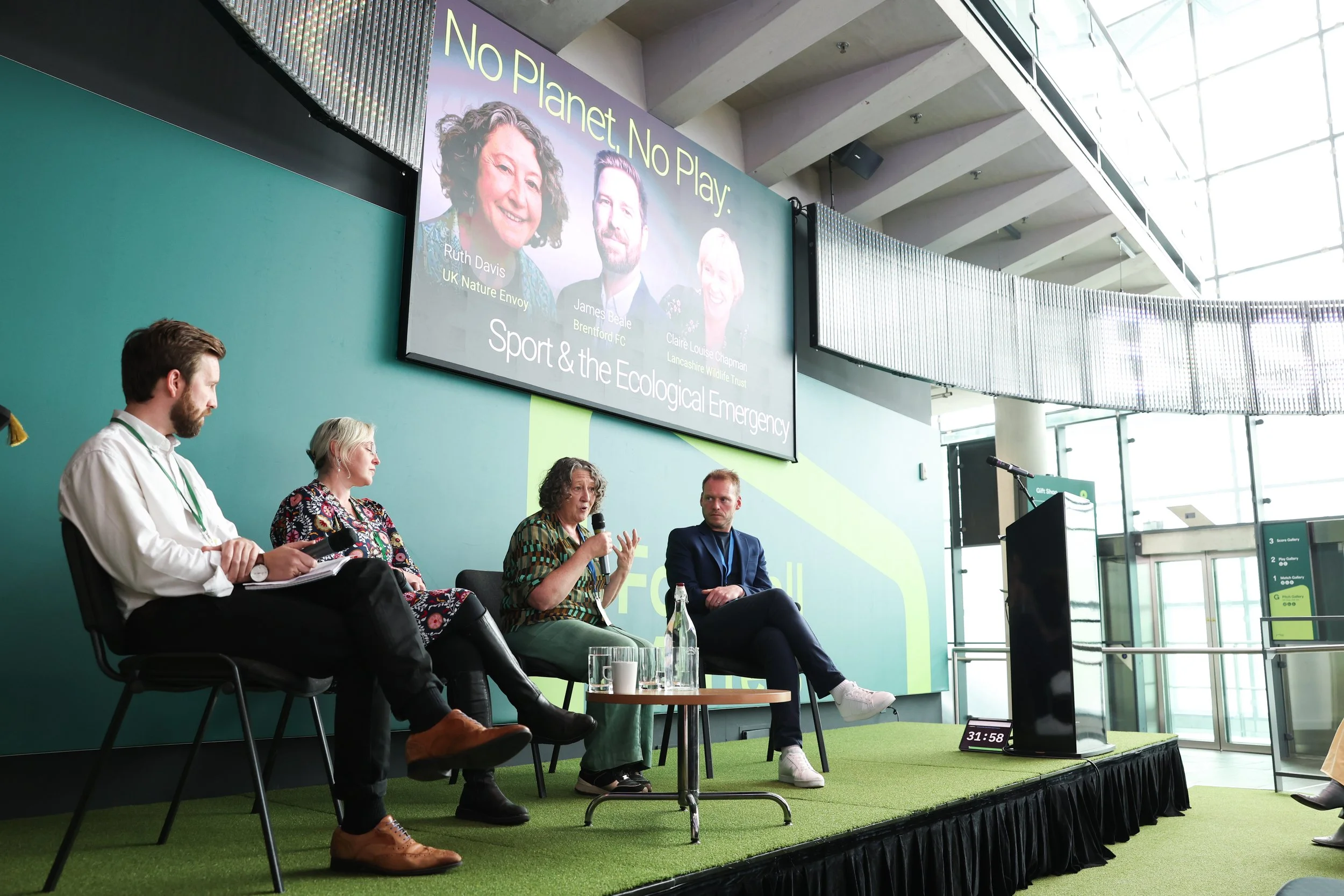
Conversations around climate risk and resilience are important. Extreme weather, shifting seasonal patterns, and the long-term viability of outdoor sport are no longer hypothetical concerns, they are live planning issues. There was a refreshing honesty in the room about how much of the sector is still in the early stages of properly assessing these risks. For Rockvolt, it reinforced a significant point: climate resilience needs to be part of every venue masterplan from the outset, not bolted on at the end.
The session on the upcoming Commonwealth Games looked at how strategic decisions due to costs have shaped a massively reimagined Games. The impact of cost control, efficiency, reuse, managing existing assets and resources has determined and focused the Glasgow 2026 Games immensely. This has led to event planned, managed and delivered in under two years, with a significantly smaller carbon footprint than previous.
Where Strategy Meets Practice
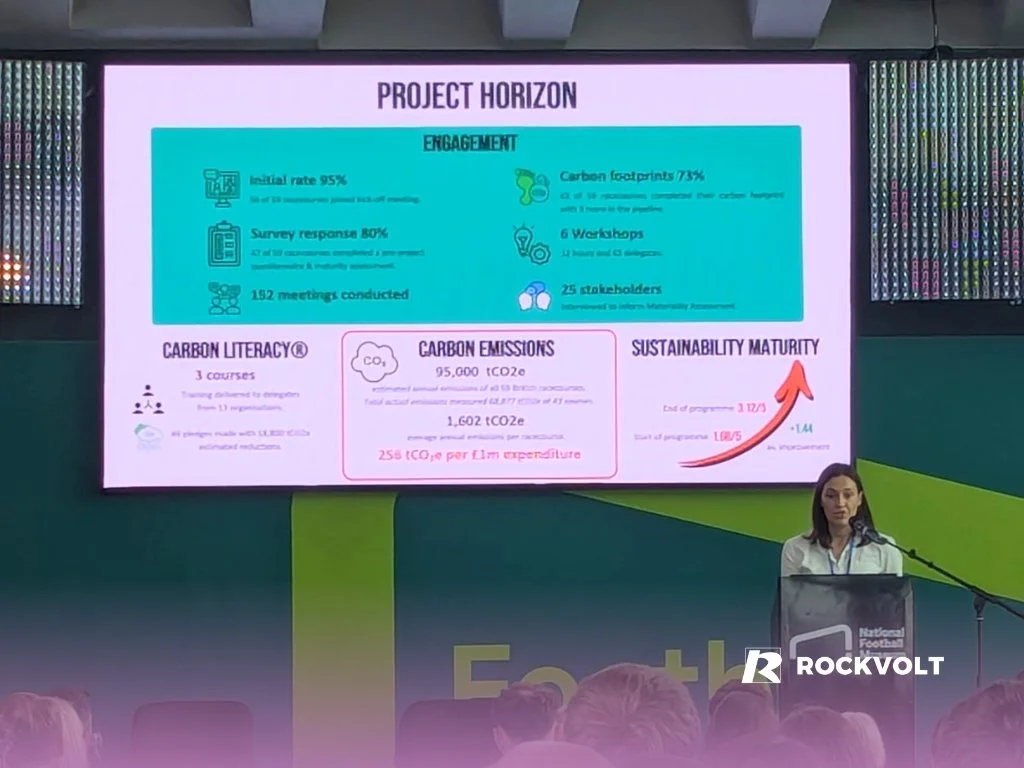
After lunch the sessions looked at leadership, governance, and how sustainability actually gets embedded across an organisation. The point that landed hardest for us: sustainability doesn't stick when it lives in one team or one person's remit. It has to be present in boardroom conversations, in how capital projects get approved, and in procurement decisions from the earliest stages.
There was also a strong thread around partnerships and innovation - encouraging examples of organisations sharing knowledge rather than working in silos, and a broader sense that collaboration across the sector is picking up pace. As a consultancy working across venues and sports stadia, that connective role is one we take seriously.
The day closed with a drinks reception in the Match Gallery which was a welcome chance to keep the conversations flowing.
Day Two
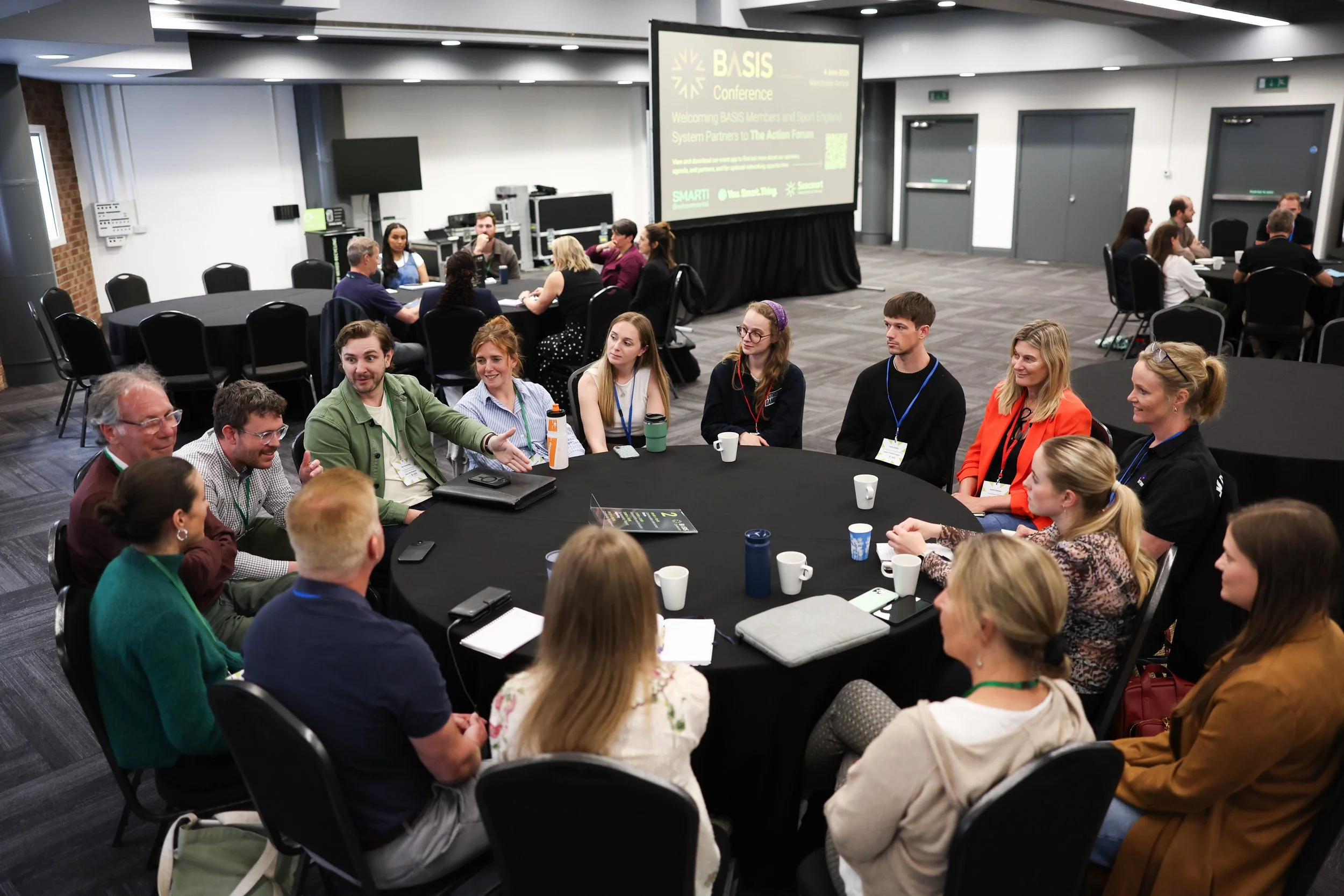
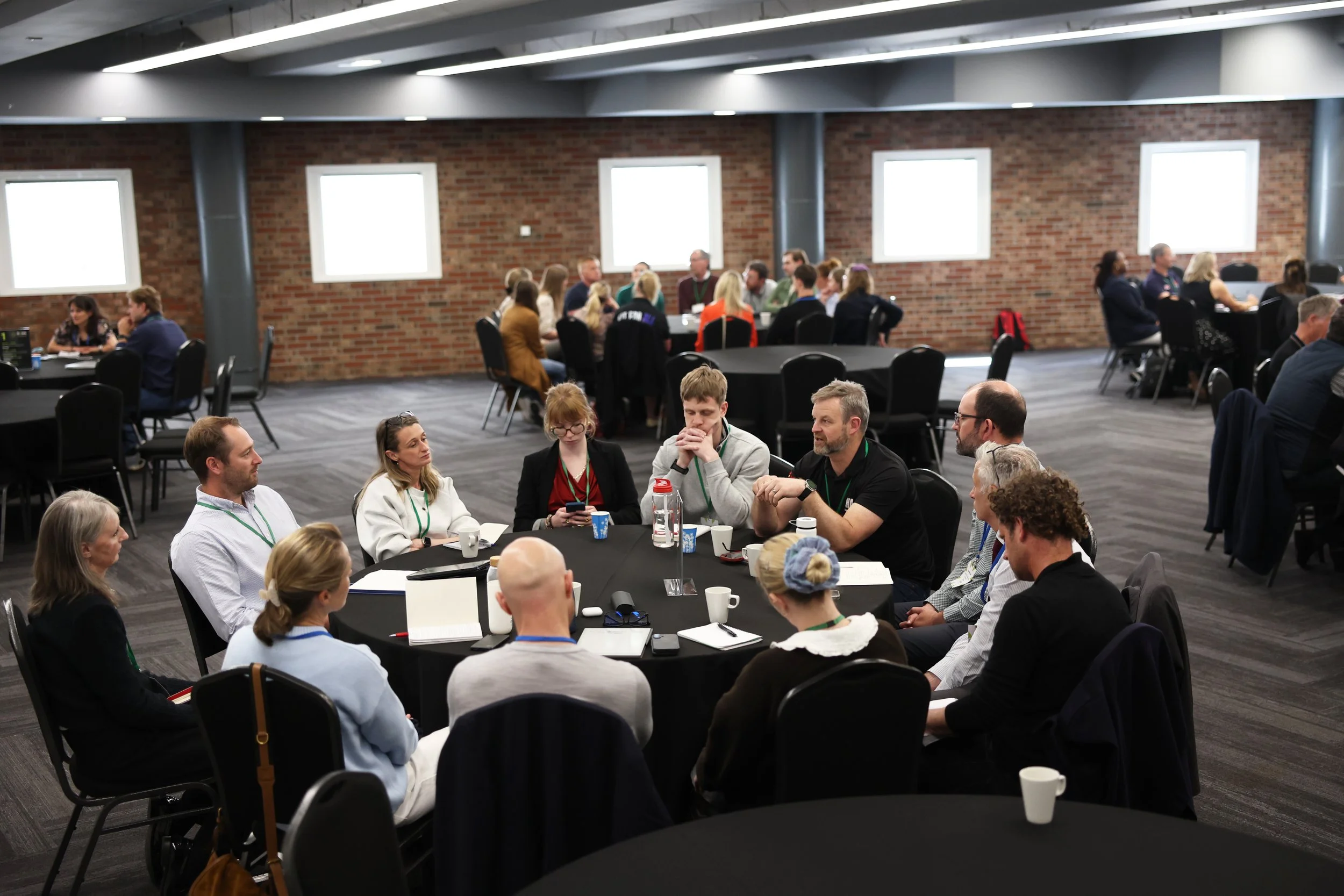
The second day moved to the Manchester Central Convention Complex for the Action Forum — a more focused, collaborative space for BASIS members and Sport England system partners. Where day one was about direction and inspiration, day two was about delivery. Structured roundtables, workshops and peer-learning sessions gave us the chance to have the kind of honest, unpolished conversations that don’t always happen in a conference setting.
What’s actually working, where people are genuinely stuck, and what the sector needs more of. For Rockvolt, it was an invaluable chance to hear directly from venue operators and sports bodies about the pressures they’re navigating day to day — and that feeds straight back into how we approach our work with clients.
We came back with a clearer sense of where the sector is heading, a sharper understanding of the challenges our clients are likely to face in the months ahead, and a few new connections we’re looking forward to building on. If you work in or around sports venues and haven’t yet engaged with BASIS, we’d encourage you to. Events like this are worth your time.
Conference Partners



Peter Watts Discussion Moderator
“It was a pleasure to chair roundtable discussions alongside leading sustainability practitioners from Arsenal, AELTC, the FA and Brighton & Hove Albion FC, major organisations pushing the boundaries of sustainable practice in sport and events.

Each attendee brought valuable, experience-based insights into how sustainability is not just a siloed initiative, but a core consideration across all operational areas, from day-to-day activities to matchdays and major event delivery. What stood out was their shared commitment to placing the customer and guest experience at the centre, while simultaneously striving to minimise environmental impact.
Across the discussions, it became clear that sustainability is now embedded into operational decision-making, not just as a compliance exercise or branding opportunity, but as a strategic imperative. From energy and transport planning to food sourcing and waste management, these organisations are working hard to ensure that their events are responsible, resilient, and regenerative.
There was also an honest recognition of the challenges, the compromises, the operational constraints, and the need to bring colleagues and stakeholders along on the journey. But above all, there was a shared ethos: to do everything possible to reduce negative environmental impacts, while delivering exceptional experiences for fans, guests, and partners alike.”

Read our Insights

Designed to Operate
Our Work With Therme Manchester